
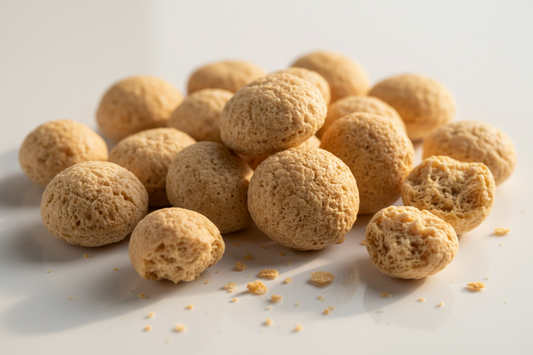
Soya chunks have become a popular protein-rich food for people looking to increase their protein intake without relying entirely on meat. Made from defatted soy flour, they are light, affordable, versatile, and easy to prepare. Whether you follow a vegetarian lifestyle, want to reduce meat consumption, or simply enjoy trying nutritious foods, soya chunks can be an excellent addition to your meals.
One of the biggest reasons for their popularity is their impressive protein content. They are commonly included in meal plans for athletes, fitness enthusiasts, and anyone looking to support muscle maintenance. However, many people still have questions about how healthy they are, how much is safe to eat, and whether they are better than other protein sources like tofu, eggs, or chicken.
This guide answers the most common questions while explaining the nutritional benefits and potential drawbacks of soya chunks.
Are soya chunks healthy?
Yes, soya chunks are considered a healthy food for most people. They are naturally high in protein, low in saturated fat, and provide dietary fibre, iron, calcium, and several essential minerals.
Some key health benefits include:
- High-quality plant-based protein
- Low in cholesterol
- Supports muscle growth and recovery
- Helps you feel full for longer
- May support heart health when eaten as part of a balanced diet
Like any food, moderation is important. Eating a variety of protein sources provides a broader range of nutrients.
Are soya chunks healthier than tofu?
Both foods are nutritious, but each has different strengths.
- Higher in protein per serving
- Lower in fat
- Excellent for muscle-building diets
- More filling
Tofu
- Less processed
- Softer texture
- Higher moisture content
- Good source of calcium when calcium-set
Neither is universally healthier. If your goal is maximum protein intake, soya chunks usually come out ahead. If you prefer minimally processed foods, tofu may be a better choice.
Can I eat 100 g of soya chunks in a day?
Yes, healthy adults can generally eat 100 g of dry soya chunks in a day as part of a balanced diet. However, 100 g of dry soya chunks is a large serving because they expand significantly after soaking or boiling.
If your overall diet includes enough vegetables, fruits, healthy fats, and whole grains, this amount is usually acceptable. People with specific medical conditions, such as certain thyroid disorders or soy allergies, should consult a healthcare professional before making soy a daily staple.
How much protein is in 100 grams of soybean chunks?
One of the biggest reasons people choose soya chunks is their high protein content.
On average:
- 100 g dry soya chunks contain around 50–52 g of protein.
- They also provide approximately 330–350 calories.
- They contain very little saturated fat.
- They offer a good amount of fibre.
The exact nutritional values vary slightly depending on the manufacturer.
Are soy chunks highly processed?
Soya chunks are considered a processed food, but they are not highly processed in the same way as many packaged snack foods.
They are made by:
- Removing oil from soybeans.
- Converting the remaining flour into textured vegetable protein.
- Drying it into chunks.
No significant amounts of artificial colours or preservatives are typically required. Although they undergo manufacturing, they still retain much of their nutritional value.
Which is better, egg or soya chunks?
Both are excellent protein sources.
Eggs provide:
- Complete protein
- Vitamin B12
- Choline
- Healthy fats
Soya chunks provide:
- Much more protein per 100 g
- Fibre
- No cholesterol
- Lower saturated fat
People who eat both can benefit from including each in their diet. Vegetarians often rely on soya chunks as an excellent alternative to eggs.
Can I eat 50 gm soya chunks?
Absolutely.
A serving of 50 g dry soya chunks provides roughly:
- 25–26 g protein
- Around 170 calories
This serving size fits comfortably into most healthy meal plans and is often enough to meet the protein needs of one meal.
Does boiling soya chunks reduce protein?
No.
Boiling does not significantly reduce the protein content. While tiny amounts of nutrients may be lost in cooking water, the protein remains largely intact.
Boiling also:
- Softens the texture
- Removes the raw flavour
- Makes the chunks easier to digest
After boiling, simply squeeze out excess water before cooking with spices and vegetables.
Can I build muscle with soy protein?
Yes.
Research shows soy protein can effectively support muscle growth when combined with:
- Progressive strength training
- Sufficient total protein intake
- Adequate calories
- Proper recovery
Although whey protein digests slightly faster, soy protein contains all nine essential amino acids and can successfully support muscle development.
Can I eat 100 g of soya chunks daily?
For many healthy adults, eating 100 g daily is generally safe.
However, variety is important. Instead of relying on one protein source every day, consider rotating between:
- Lentils
- Beans
- Tofu
- Greek yogurt
- Eggs
- Fish
- Lean meat
- Nuts and seeds
A varied diet provides a broader range of nutrients.
Why do people say to avoid soy?
There are several myths surrounding soy foods.
Common concerns include:
- Hormonal effects
- Thyroid health
- Breast cancer risk
- Men's testosterone levels
Current scientific evidence suggests moderate soy consumption is safe for most people. Soy contains natural compounds called isoflavones, but normal dietary intake has not been shown to cause harmful hormonal changes in healthy individuals.
Those with soy allergies or specific medical advice from their healthcare provider should avoid soy products.
Can I replace chicken with soya chunks?
Yes.
Soya chunks are one of the best vegetarian alternatives to chicken because they are:
- High in protein
- Filling
- Easy to season
- Budget-friendly
While chicken naturally contains vitamin B12 and highly absorbable iron, soya chunks provide fibre and contain no cholesterol. Either can fit into a healthy diet depending on personal preferences.
Do soya chunks increase hair growth?
There is no evidence that soya chunks directly increase hair growth.
However, hair requires adequate protein for healthy growth. Since soya chunks are protein-rich, they can help meet your daily protein needs, which supports healthy hair as part of an overall nutritious diet.
Hair growth also depends on:
- Genetics
- Overall nutrition
- Iron status
- Zinc
- Sleep
- Hormonal balance
When not to eat soya chunks?
Some people should limit or avoid soya chunks, including those who:
- Have a confirmed soy allergy
- Have been advised by their healthcare provider to limit soy
- Experience digestive discomfort after eating large amounts
If you notice persistent bloating or stomach discomfort, reducing portion sizes may help.
Which is better, soaked or boiled soya chunks?
Boiled soya chunks are generally preferred.
Boiling:
- Improves texture
- Removes the beany taste
- Makes squeezing out excess water easier
- Improves overall flavour after cooking
Simply soaking works, but boiling usually produces a softer, more enjoyable texture.
Can soya chunks cause bloating?
Yes, they can.
Because soya chunks contain fibre and certain carbohydrates, some people experience:
- Gas
- Bloating
- Mild digestive discomfort
To reduce bloating:
- Start with smaller portions.
- Boil thoroughly.
- Drink enough water.
- Increase fibre intake gradually.
Most people adapt over time.
Do bodybuilders eat soya chunks?
Yes.
Many bodybuilders include soya chunks in their meal plans because they are:
- Rich in protein
- Affordable
- Easy to prepare
- Low in fat
- Excellent for bulking or cutting diets
They are especially popular among vegetarians and those looking for a convenient source of plant-based protein.