
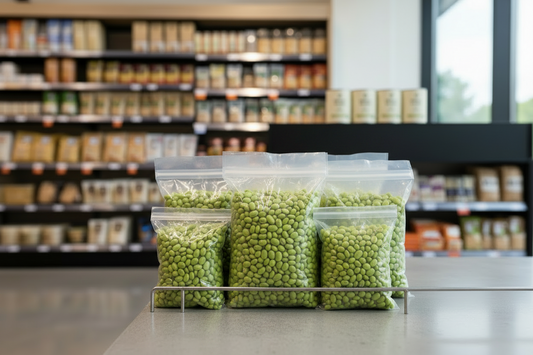
Lima beans are creamy, mild, and surprisingly versatile, yet they often leave shoppers with more questions than answers. You may have searched for them at the grocery store and come up empty-handed, wondered whether they need to be peeled, or found yourself staring at a can and asking whether you should rinse it first.
Whether you call them lima beans, butter beans, or simply beans, they can be a delicious addition to soups, stews, salads, casseroles, and side dishes. Here is everything you need to know about buying, preparing, cooking, and enjoying lima beans.
Do canned lima beans exist?
Yes, canned lima beans absolutely exist and you can buy it from here. They are a convenient option when you want to add lima beans to a meal without soaking and cooking dried beans.
You may find canned lima beans in regular grocery stores, although they can be less common than canned chickpeas, black beans, or kidney beans. Look for both lima beans and butter beans on the label.
Canned beans are already cooked, so they only need to be heated or added directly to dishes, depending on the recipe.
Why can't I find lima beans in the grocery store?
Lima beans are not always stocked as prominently as popular varieties such as kidney beans, black beans, or chickpeas. Their availability can depend on the store, season, and whether you are looking for dried, frozen, fresh, or canned beans. But luckily on QuickSupply, you can find canned and dried lima beans varieties.
You may also find them under the name butter beans, particularly for larger varieties. If you cannot find a package labelled "lima beans", check the dried-bean, canned-vegetable, frozen-vegetable, and international-food sections.
Fresh lima beans can be particularly difficult to find because they have a relatively short seasonal availability. Frozen lima beans are often a convenient alternative.
Do you peel lima beans before cooking?
No. Dried lima beans do not need to be peeled individually before cooking. Their outer skin softens during soaking and cooking, while the inside becomes tender and creamy.
Fresh lima beans are normally removed from their pods before cooking. You do not need to peel each individual bean.
If a recipe calls for peeled lima beans, it is usually referring to removing the thin outer skin for a particular texture rather than a standard preparation step.
What bean is similar to lima beans?
Butter beans are the obvious choice because the names are often used interchangeably for different types of lima beans. If you need another variety, cannellini beans are a useful substitute.
Cannellini beans have a creamy texture and mild flavour, making them suitable for soups, stews, salads, and casseroles. Great Northern beans can also work well, particularly when you want a smaller white bean with a delicate flavour.
The best substitute depends on the recipe, but creamy white beans generally provide the closest overall experience.
Should you drain canned lima beans?
Yes, in most recipes it is a good idea to drain canned lima beans. Draining removes the liquid in which the beans were packed, along with some of the excess salt.
After draining, you can rinse the beans under cool running water if you prefer a cleaner flavour. However, the liquid is not necessarily something you must discard. Bean liquid can sometimes be useful in soups, stews, and other dishes where additional moisture is needed.
Always check your recipe before draining if the instructions specifically call for the liquid.
Why aren't lima beans popular?
Lima beans have developed an unfortunate reputation, partly because they were historically served as an overcooked vegetable. When cooked for too long, they can become mushy, which may not appeal to everyone.
However, properly cooked lima beans have a pleasantly creamy texture and a mild, slightly sweet, earthy flavour. Frozen and canned varieties can also be prepared in ways that give them considerably more flavour than the traditional boiled side dish.
Seasoning makes a major difference. Garlic, herbs, butter, olive oil, smoked paprika, bacon, onions, lemon, and Parmesan can all transform lima beans into a much more appealing dish.
What country eats lima beans?
Lima beans are eaten in many parts of the world, particularly in regions where beans are an important part of traditional cooking.
They have a strong historical connection with Peru, where lima beans originated and where different varieties have been cultivated for thousands of years. They are also commonly used in dishes throughout parts of Latin America and the southern United States.
Their use is not limited to one country, however. Lima beans can be incorporated into a wide range of international recipes.
What happens if I don't rinse canned beans?
Nothing dangerous generally happens if you do not rinse canned lima beans. They are already cooked and ready to eat.
However, the packing liquid can contain extra sodium and may have a slightly metallic, salty, or starchy taste. Rinsing the beans can improve their flavour and reduce some of the sodium.
For salads, pasta dishes, and recipes where you want a fresh, clean bean flavour, rinsing is usually worthwhile. For soups and stews, you may choose to keep some of the liquid if it suits the recipe.
Can you eat lima beans straight out of the can?
Yes. Canned lima beans are already cooked, so they can be eaten straight from the can after draining and, ideally, rinsing.
That does not mean they will taste their best straight from the can. Heating them with a little butter or olive oil and adding garlic, black pepper, herbs, or lemon juice can make a significant difference.
Never eat lima beans straight from a can if the can is swollen, badly damaged, leaking, or otherwise appears unsafe.
What flavours go well with lima beans?
Lima beans have a mild flavour, which makes them easy to pair with a variety of ingredients.
For a simple side dish, try butter, garlic, black pepper, parsley, and lemon juice. For something heartier, combine them with onions, carrots, celery, smoked paprika, tomatoes, or bacon.
They also work well with rosemary, thyme, sage, chilli flakes, Parmesan, olive oil, and vegetable or chicken stock. Their creamy texture makes them particularly good in soups and stews.
For a fresh option, toss cooked lima beans with cherry tomatoes, red onion, parsley, lemon juice, and olive oil.
How long should lima beans be soaked before cooking?
Dried lima beans are commonly soaked for 6 to 8 hours or overnight before cooking. Cover them generously with water because they expand considerably as they soak.
If you are short on time, you can use a quick-soak method: bring the beans to a boil in water, boil them for a few minutes, remove them from the heat, and let them stand for about an hour before draining and cooking.
After soaking, drain the beans and use fresh water for cooking.
How long do raw lima beans take to cook?
Cooking time varies depending on the age and size of the beans, but soaked dried lima beans generally take around 45 to 90 minutes to become tender.
Older beans can take longer. Instead of relying entirely on the clock, test a bean towards the end of cooking. It should be tender and creamy throughout, without a hard centre.
It is particularly important to cook dried lima beans thoroughly rather than eating them raw or undercooked. Some lima beans naturally contain compounds that can release cyanide when the beans are raw, so proper cooking is essential.
Can I eat lima beans straight from the can?
Yes. If you are referring to canned lima beans, they are already cooked and can be eaten without additional cooking.
For the best taste, drain and rinse them, then warm them gently with your favourite seasonings. You can also add them directly to salads, wraps, soups, pasta dishes, or grain bowls.
Dried or raw lima beans are different. They should be properly soaked and cooked before eating rather than consumed straight from the package.