
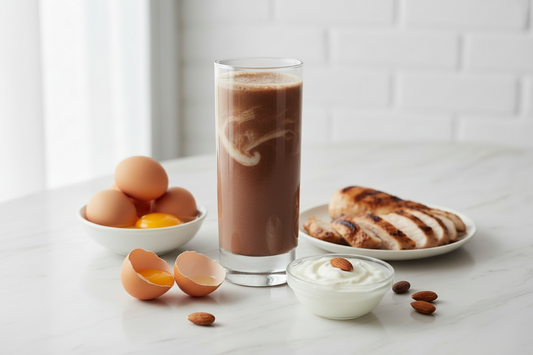
Protein is one of the most talked-about nutrients, and for good reason. Whether your goal is losing weight, building muscle, staying full for longer, or supporting overall health, getting enough protein can make a noticeable difference.
Many people have questions about protein shakes, eggs, meal timing, and how much protein the body can actually use. The good news is that meeting your daily protein needs doesn't have to be complicated. With a little planning, you can enjoy satisfying meals that help you reach your goals without relying on complicated diets.
Below are answers to some of the most common questions about protein, along with practical tips you can start using today.
Should I drink protein shakes if trying to lose weight?
Protein shakes can be a helpful tool if you're trying to lose weight, but they aren't a requirement.
The biggest advantage of protein is that it helps you feel fuller for longer, which may reduce unnecessary snacking and make it easier to stay within your daily calorie target. Protein also helps preserve lean muscle while you're losing body fat, especially if you're exercising regularly.
A protein shake works best when:
· You struggle to eat enough protein through food.
· You need a quick breakfast or snack.
· You're looking for a convenient post-workout option.
· It replaces a high-calorie snack instead of adding extra calories.
However, whole foods should still make up most of your diet. Foods like chicken, fish, eggs, Greek yogurt, beans, lentils, tofu, and cottage cheese provide protein along with vitamins, minerals, and fibre that shakes often lack.
If you choose a protein shake, look for one that's high in protein like these, low in added sugar, and fits comfortably into your daily calorie intake.
Is 2 eggs a day enough protein?
Two large eggs provide approximately 12 to 14 grams of protein.
For most adults, that's a good start but usually isn't enough protein for an entire meal. Most breakfast meals are more satisfying when they contain around 25 to 40 grams of protein.
You can easily increase the protein by pairing eggs with foods such as:
· Greek yogurt
· Cottage cheese
· Smoked salmon
· Turkey slices
· Whole grain toast with peanut butter
· A glass of milk (or protein milk shake bottles)
Eggs also provide important nutrients like vitamin B12, choline, selenium, and healthy fats, making them an excellent addition to a balanced diet.
Can I eat 40g of protein in one meal?
Yes, you can.
A common myth is that the body can only absorb 20 to 30 grams of protein per meal. In reality, your body digests and absorbs nearly all the protein you eat.
While muscle protein synthesis may have an upper limit for maximum stimulation in one sitting, the remaining protein is still used for many other important functions throughout the body, including producing enzymes, hormones, immune cells, and repairing tissues.
Eating 40 grams of protein in one meal can be especially beneficial if:
· You're physically active.
· You're trying to build muscle.
· You're aiming to lose fat while maintaining muscle.
· You simply prefer fewer, larger meals.
The most important factor is your total daily protein intake rather than trying to hit an exact number at every meal.
Is there a protein shake that actually tastes good?
Yes. Modern protein powders have improved dramatically in both flavour and texture.
Popular flavours include:
· Vanilla
· Salted caramel
· Cookies and cream
· Strawberry
· Banana
· Coffee
· Chocolate peanut butter
Taste is highly personal, so you may need to try a few brands before finding your favourite.
You can also improve the flavour by blending protein powder with ingredients such as:
· Frozen berries
· Banana
· Milk or fortified plant-based milk
· Greek yogurt
· Peanut butter
· Cocoa powder
· Cinnamon
Blending your shake with ice often creates a thicker, smoother texture that's much more enjoyable than simply mixing it with water.
How can I get 100g of protein a day?
Getting 100 grams of protein per day is easier than many people expect.
Here's one simple example:
| Meal | Protein |
|---|---|
| Greek yogurt with berries | 20g |
| Chicken breast at lunch | 35g |
| Cottage cheese snack | 20g |
| Salmon with vegetables | 30g |
| Daily total | Approximately 105 grams |
Other excellent protein sources include:
· Eggs
· Lean beef
· Turkey
· Tuna
· Shrimp
· Tofu
· Tempeh
· Lentils
· Chickpeas
· Edamame
· Milk
· Cheese
Planning protein into every meal is generally easier than trying to eat most of it at dinner.
Is 4 eggs a day too much protein?
Four large eggs contain roughly 24 to 28 grams of protein.
From a protein perspective, this isn't excessive for most healthy adults. Whether four eggs are appropriate depends on your overall diet, health conditions, calorie needs, and advice from your healthcare provider.
Eggs are rich in nutrients and can absolutely fit into a healthy eating pattern. It's still beneficial to include a variety of protein sources throughout the week so you also obtain different vitamins, minerals, healthy fats, and fibre.
If you're eating four eggs regularly, balance your meals with vegetables, fruit, whole grains, and other lean protein sources.
Which drink is high in protein?
Several drinks provide a significant amount of protein.
Some of the best options include:
· Protein shakes
· Milk
· Fairlife-style ultra-filtered milk
· Greek yogurt smoothies
· Kefir
· High-protein meal replacement drinks
Homemade smoothies can also provide plenty of protein by combining Greek yogurt, milk, protein powder, and fruit.
When buying ready-made drinks, compare nutrition labels. Aim for products with plenty of protein while limiting added sugars if your goal is weight management.
Is it better to have protein before bed or in the morning?
Both times offer benefits.
Morning protein can:
· Increase fullness.
· Reduce mid-morning hunger.
· Support steady energy.
· Help you reach your daily protein goal.
Protein before bed may support overnight muscle repair and recovery, particularly after resistance training.
Rather than choosing one or the other, many nutrition experts recommend spreading protein fairly evenly across the day. Having protein at breakfast, lunch, dinner, and one or two snacks helps maintain a consistent intake while making meals more satisfying.
The best timing is ultimately the one you can stick with consistently.
How can I get 40g of protein for breakfast?
A high-protein breakfast doesn't have to be complicated.
Here are a few ideas that provide around 40 grams of protein:
Option 1
· 3 eggs
· Greek yogurt
· Fresh berries
Option 2
· Protein smoothie
· Milk
· Protein powder
· Banana
· Peanut butter
Option 3
· Cottage cheese
· Whole grain toast
· Smoked salmon
Option 4
· Greek yogurt parfait
· High-protein granola
· Mixed berries
· Chopped nuts
Preparing breakfast the night before can make it much easier to stay consistent on busy mornings.