
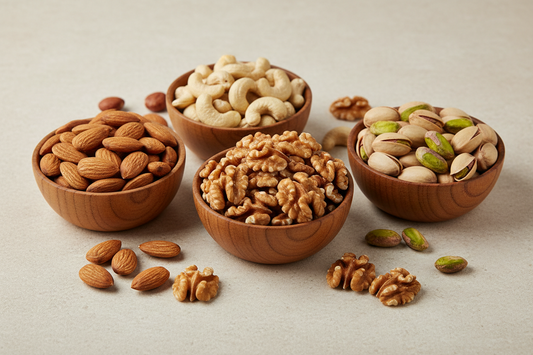
Nuts are among the most nutritious foods you can add to your diet. They're packed with healthy fats, plant protein, fibre, vitamins, minerals, and antioxidants that support overall health. Whether you enjoy them as a snack, sprinkle them over oatmeal, or add them to salads and baked goods, nuts can be a simple way to improve your daily nutrition.
Despite their many benefits, people often have questions about how many nuts are too many, which varieties are healthiest, and whether certain combinations of foods are safe to eat together. This guide answers some of the most common questions while helping you make informed choices about including nuts in a balanced diet.
What nut slows down aging?
While no single food can stop aging, several nuts contain nutrients that help support healthy aging by protecting cells from oxidative stress.
Walnuts are often considered one of the best nuts for healthy aging because they contain:
· Omega-3 fatty acids
· Vitamin E
· Polyphenol antioxidants
· Plant compounds that support brain health
Almonds are another excellent choice due to their high vitamin E content, which helps protect skin cells from damage caused by free radicals.
Pistachios also provide antioxidants such as lutein and zeaxanthin, which support eye health as we age.
The greatest benefits come from eating a variety of nuts as part of an overall healthy eating pattern rather than relying on one type alone.
Which nuts are easiest to digest?
Digestibility varies from person to person, but several nuts are generally easier on the digestive system.
Some of the easiest nuts to digest include:
· Macadamia nuts: Lower in fibre than many other nuts and rich in healthy fats.
· Pecans: Often well tolerated when eaten in moderation.
· Cashews: Softer texture makes them easier for many people to chew and digest.
· Blanched almonds: Removing the skins may reduce digestive discomfort for some individuals.
Soaking nuts overnight may also improve texture and make them easier to chew, although scientific evidence that soaking significantly improves digestion is limited.
People with digestive conditions such as irritable bowel syndrome may find that portion size matters more than the specific type of nut.
Which food is called poor man's protein?
Pulses are often referred to as "poor man's protein" because they provide an affordable source of plant-based protein.
Foods in this category include:
· Lentils
· Beans
These foods are inexpensive, filling, and rich in protein, fibre, vitamins, and minerals. They have long been important dietary staples in many parts of the world.
Combining pulses with whole grains creates a more complete protein profile, making them an excellent choice for people looking to reduce meat consumption.
What nuts make you tired?
Nuts don't usually make you tired directly, but some contain nutrients that promote relaxation and healthy sleep.
Almonds are rich in magnesium, a mineral involved in muscle relaxation and sleep regulation.
Walnuts naturally contain small amounts of melatonin, a hormone that helps regulate the body's sleep-wake cycle.
Pistachios also provide vitamin B6 and magnesium, nutrients that support normal nervous system function.
Rather than causing daytime sleepiness, these nutrients may help support better sleep when consumed as part of a balanced evening snack.
Which nuts make you happy?
Several nuts contain nutrients linked with healthy brain function and mood.
Walnuts are particularly notable because they contain plant-based omega-3 fatty acids that support brain health.
Cashews provide:
· Magnesium
· Zinc
· Iron
These nutrients play roles in normal brain function and energy production.
Almonds contain vitamin E and magnesium, while pistachios supply vitamin B6, which helps the body produce neurotransmitters involved in mood regulation.
Although no nut can instantly make someone happy, eating nutrient-rich foods supports overall physical and mental well-being.
What is the king of all nuts?
There is no official "king of all nuts," but many nutrition experts consider the walnut one of the healthiest varieties because of its impressive nutritional profile.
Walnuts offer:
· Plant-based omega-3 fats
· Antioxidants
· Fibre
· Protein
· Copper
· Manganese
Research consistently links regular walnut consumption with heart health, brain health, and reduced inflammation when eaten as part of a healthy diet.
That said, every nut has unique nutritional strengths. Almonds excel in vitamin E, pistachios are rich in antioxidants, Brazil nuts are an excellent selenium source, and cashews provide valuable minerals.
Eating a variety of nuts is generally more beneficial than focusing on a single type.
What is the least liked nut?
Taste is highly personal, so there isn't a universally disliked nut.
However, Brazil nuts often receive mixed reviews because of their large size, dense texture, and distinctive earthy flavour. Some people enjoy them, while others find them too rich.
Chestnuts are another variety that divides opinion because they have a soft, starchy texture rather than the crunchy texture most people expect from nuts.
Ultimately, the "least liked" nut depends on individual taste preferences, cultural traditions, and personal experiences.
Tips for enjoying nuts every day
Adding nuts to your meals doesn't have to be complicated. Here are a few simple ideas:
· Sprinkle chopped nuts over yogurt or oatmeal.
· Add walnuts or almonds to salads.
· Blend cashews into creamy sauces.
· Mix pistachios into homemade trail mix.
· Stir pecans into baked goods.
· Enjoy a small handful as an afternoon snack.
Choose unsalted varieties whenever possible, and pay attention to portion sizes since nuts are naturally high in calories.
Can we eat eggs and nuts together?
Yes, eggs and nuts can be eaten together and make a nutritious meal.
Eggs provide high-quality complete protein, while nuts contribute healthy fats, fibre, vitamins, and minerals. Together they create a balanced combination that can help keep you feeling full for longer.
Some healthy meal ideas include:
· Scrambled eggs with chopped walnuts
· Vegetable omelette topped with sliced almonds
· Hard-boiled eggs served with a handful of pistachios
· Egg salad sprinkled with crushed pecans
The only exception is for people with allergies to eggs or tree nuts, who should avoid foods that trigger allergic reactions.
Can you eat too many nuts?
Yes, it is possible to eat too many nuts. Although they are incredibly nutritious, they are also calorie-dense because of their healthy fat content. Eating large quantities every day may contribute to excess calorie intake and, over time, unwanted weight gain if it isn't balanced with the rest of your diet.
Overeating nuts may also cause digestive discomfort, including bloating, gas, or stomach upset, especially if your body isn't used to a high-fibre diet.
For most adults, a serving of about 30 grams (roughly a small handful) each day provides plenty of nutrients without excessive calories. Choosing unsalted, dry-roasted, or raw nuts is generally the healthiest option.
Which nut is toxic if you eat too much?
The nut most commonly associated with toxicity is the Brazil nut—not because it's naturally poisonous, but because it contains exceptionally high levels of selenium.
Selenium is an essential mineral that supports thyroid function and immunity. However, consuming too much over an extended period can lead to selenium toxicity, also known as selenosis. Symptoms may include:
· Hair loss
· Brittle nails
· Nausea
· Fatigue
· Garlic-like breath odour
· Nerve problems in severe cases
Since a single Brazil nut can contain a significant amount of selenium, most people only need one to three nuts occasionally rather than large daily servings.
It's also important to avoid eating raw bitter almonds, which naturally contain compounds that can release cyanide. Commercial sweet almonds sold in grocery stores are safe to eat.