
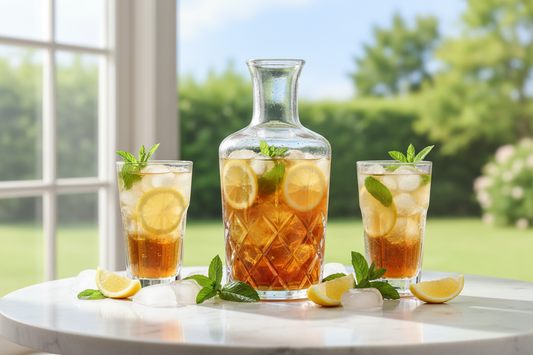
A decanter is much more than an attractive container. Whether you're displaying wine, whisky, water, or another favourite beverage, the right decanter combines style with practicality. Some are treasured antiques worth hundreds or even thousands of dollars, while others are modern pieces designed for everyday convenience.
If you're wondering whether an old glass decanter has value, how to identify lead crystal, this guide answers the most common questions in one place.
Why do rich people use decanters?
Decanters have long been associated with elegant dining and entertaining, but their popularity isn't simply about appearance.
People use decanters because they:
· Improve wine aeration
· Separate wine from sediment
· Enhance table presentation
· Organise home bars
· Showcase premium spirits attractively
For wine, decanting allows oxygen to soften certain flavours and aromas. For whisky or other spirits, a decanter mainly serves as an attractive storage and serving vessel rather than changing the flavour significantly.
Many people also enjoy using a decanter simply because it creates a more refined drinking experience during meals or gatherings.
If you're looking for the functionality of a decanter without paying a premium, consider a polycarbonate decanter like this one. It offers excellent performance and gets the job done at a more affordable price.
How do I know if my glass decanter is valuable?
Determining the value of a glass decanter involves looking at several important factors rather than relying on appearance alone.
Age
Older decanters, especially those made before the mid-20th century, often attract collectors. Antique pieces generally command higher prices than modern mass-produced versions.
Manufacturer
A recognised maker can significantly increase value. Look for:
· Etched maker's marks
· Labels
· Stamps on the base
· Original packaging or documentation
Condition
Collectors prefer decanters that are free from:
· Chips
· Cracks
· Heavy scratches
· Cloudiness
· Missing stoppers
An original stopper is especially important since replacements usually reduce value.
Design
Hand-cut patterns, intricate engraving, and unique shapes are typically more desirable than plain designs.
Rarity
Limited production pieces or discontinued collections often become more valuable over time.
If you believe your decanter could be valuable, compare it with recent auction results or have it professionally appraised.
Do crystal decanters have value?
Yes. Crystal decanters are often more valuable than standard glass versions because of their craftsmanship and brilliance.
Factors affecting value include:
· Lead crystal versus lead-free crystal
· Hand-cut detailing
· Brand reputation
· Age
· Overall condition
Fine crystal reflects light beautifully and typically feels heavier than regular glass. Premium crystal decanters from respected manufacturers may become sought-after collector's items, especially if they remain in excellent condition.
Modern lead-free crystal has also gained popularity because it combines clarity with improved safety for everyday use.
Are decanters worth money?
Yes, although values vary considerably.
A decorative glass decanter from a department store may have modest resale value, while antique crystal examples can be worth substantially more.
The biggest influences on value include:
· Material
· Brand
· Age
· Craftsmanship
· Demand among collectors
· Original stopper
· Condition
Some vintage decanters are primarily valued as decorative pieces, while others appeal to collectors because of their history or exceptional manufacturing quality.
If you're purchasing a decanter as an investment, focus on recognised makers, timeless designs, and excellent condition.
What is the difference between stainless steel and vacuum flask?
Although these terms are sometimes used interchangeably, they are not the same thing.
Stainless steel
Stainless steel refers to the material used to make a container. It is durable, corrosion-resistant, and suitable for everyday use.
Vacuum flask
A vacuum flask refers to the insulation technology rather than the material itself.
Most modern vacuum flasks feature:
· Two walls
· A vacuum between the walls
· Excellent temperature retention
Many vacuum flasks are made from stainless steel, but not every stainless-steel bottle includes vacuum insulation.
If keeping drinks hot or cold for many hours is your priority, a vacuum flask is the better choice.
Is it healthier to drink out of stainless steel or glass?
Both glass and high-quality stainless steel are generally considered safe choices for drinking.
Glass advantages
· Doesn't absorb flavours
· Doesn't retain odours
· Easy to clean
· Doesn't react with acidic drinks
· Provides a clean taste
Stainless steel advantages
· Extremely durable
· Lightweight
· Excellent for travel
· Resistant to breaking
· Often insulated for temperature control
Glass is often preferred for serving beverages because it preserves flavour exceptionally well. Stainless steel excels for portability and outdoor activities.
Choosing food-grade stainless steel and quality glass products helps ensure long-term safety.
What is the best shape for a decanter?
The ideal decanter shape depends on what you're serving.
Wide-bottom decanter
Best for:
· Young red wines
· Wines needing significant aeration
The larger surface area allows more oxygen to interact with the wine.
Tall, narrow decanter
Best for:
· Older wines
· Delicate vintages
A narrower design limits oxygen exposure while allowing sediment separation.
Spirit decanter
For whisky, bourbon, rum, or similar spirits, shape is mostly about appearance and ease of pouring rather than aeration.
Choose a stable base, comfortable grip, and well-fitting stopper for everyday use.
How to tell if a decanter has lead?
Older crystal decanters may contain lead, while many modern versions are lead-free.
Signs that may indicate lead crystal include:
Significant weight
Lead crystal generally feels noticeably heavier than ordinary glass.
Brilliant sparkle
Lead crystal often displays exceptional clarity and rainbow-like reflections.
Ringing sound
Gently tapping lead crystal usually produces a clear, sustained ringing tone.
Manufacturing date
Decanters produced many decades ago are more likely to contain lead than recent products.
Product information
If the original packaging or manufacturer's information specifically states "lead-free crystal," it does not contain lead.
Lead testing kits
Home lead testing kits can provide additional information, although laboratory testing offers the greatest accuracy if certainty is required.
If you're unsure whether an older decanter contains lead, many people choose to use it as a decorative display piece rather than for long-term beverage storage.