
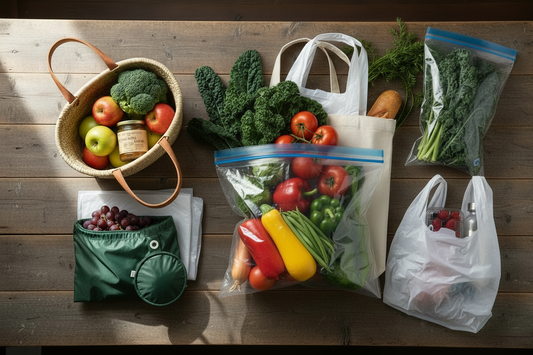
Shopping habits are changing across the world. As more people become aware of environmental issues, the conversation around poly bags and reusable shopping bags has grown significantly. From grocery stores to retail shops, the shift away from single-use plastics is well underway.
But what does this really mean for everyday shoppers? Let’s break it down in a practical, easy-to-understand way.
Do You Use Reusable Bags When Shopping?
More people are saying yes. Whether it’s due to environmental awareness or store policies, reusable bags like these have become a common sight. Still, many people forget to bring them or aren’t sure how to use them effectively.
The key is building the habit. Once reusable bags become part of your routine, they’re just as convenient—if not more so—than plastic bags.
What Material Is Used for Reusable Bags?
Reusable bags come in a variety of materials, each with its own pros and cons:
· Cotton: Natural and biodegradable, but resource-intensive to produce
· Jute: Durable and eco-friendly
· Non-woven polypropylene (NWPP): Lightweight, affordable, and widely used
· Canvas: Strong and long-lasting
· Recycled plastics (PET): Made from recycled bottles
Choosing the right material depends on your priorities—durability, sustainability, or cost.
Poly Bags and Reusable Shopping Bags
Poly bags—short for polyethylene bags—are the thin plastic bags traditionally used in stores. They are lightweight, cheap, and convenient, but they come with a major environmental cost. These bags often end up in landfills or oceans, taking hundreds of years to decompose.
Reusable shopping bags, on the other hand, are designed for repeated use. They are made from stronger materials and are intended to reduce waste over time.
How to Use Reusable Shopping Bags
Using reusable bags is simple, but doing it efficiently can make your shopping experience smoother:
· Keep them accessible: Store bags in your car, near your front door, or in your backpack.
· Sort by purpose: Use separate bags for groceries, produce, and non-food items.
· Don’t overload: Even sturdy bags have limits—spread out heavier items.
· Clean regularly: Especially important for grocery bags to avoid bacteria build-up.
With a bit of planning, reusable bags can make shopping more organized.
Can I Use a Reusable Shopping Bag as a Personal Item?
Yes, in many cases you can. Reusable shopping bags are versatile and can double as:
· Carry-on items for travel
· Gym bags
· Everyday totes for work or school
However, if you’re flying, always check your airline’s personal item size restrictions. Some larger reusable bags may not qualify.
Where to Keep Reusable Shopping Bags
One of the biggest challenges is remembering to bring your bags. Here are some practical storage ideas:
· In your car: The most common and convenient option
· Near your door: Hang them on hooks or keep them in a basket
· In your handbag or backpack: Foldable bags are perfect for this
· At work: Handy for unexpected shopping trips
Consistency is key—pick a spot and stick with it.
Which Bag Is Best for Shopping?
There’s no single “best” bag—it depends on your needs:
· For groceries: Insulated bags or sturdy polypropylene bags
· For heavy items: Canvas or reinforced bags
· For quick trips: Foldable nylon bags
· For produce: Mesh or lightweight cloth bags
Ideally, you’ll have a mix of bags to suit different situations.
How Many Times Do I Need to Use a Reusable Bag?
This is an important question. Reusable bags have a higher environmental footprint during production, so they need to be used multiple times to offset that impact.
Approximate reuse benchmarks:
· Polypropylene bags: 10–20 uses
· Cotton bags: 100+ uses (sometimes much more)
· Canvas bags: 50–100 uses
The takeaway? The more you use your bag, the better it is for the environment.
What Do You Call Reusable Shopping Bags?
Reusable shopping bags go by many names:
· Tote bags
· Eco bags
· Grocery bags
· Carry bags
· Shopping totes
Regardless of the name, the purpose is the same—reducing waste and promoting sustainability.
Are Plastic Bags Better Than Reusable Bags?
In short, no—at least not in the long run.
Plastic bags may seem convenient and have a lower upfront environmental cost, but they:
· Are used only once or a few times
· Contribute heavily to pollution
· Harm wildlife and ecosystems
Reusable bags, when used consistently, significantly reduce overall environmental impact.
Why Use Reusable Shopping Bags?
There are several compelling reasons:
· Environmental protection: Less plastic waste
· Cost savings: Avoid bag fees
· Durability: Stronger than single-use plastic
· Versatility: Useful beyond shopping
Small changes like this can have a meaningful impact over time.
What Are the Disadvantages of Reusable Bags?
Reusable bags aren’t perfect. Some drawbacks include:
· Upfront cost: More expensive than plastic bags
· Maintenance: Need regular cleaning
· Forgetting them: A common issue
· Production impact: Some materials require significant resources
However, most of these issues can be managed with proper use and habits.
Is 100% Cotton Good for Bags?
Yes—with some caveats.
Cotton bags are:
· Biodegradable
· Natural and chemical-free
· Strong and reusable
But they also require a lot of water and energy to produce. To make them environmentally worthwhile, you need to use them many times—often over 100 uses.
If you’re committed to long-term use, cotton bags can be a great choice.