
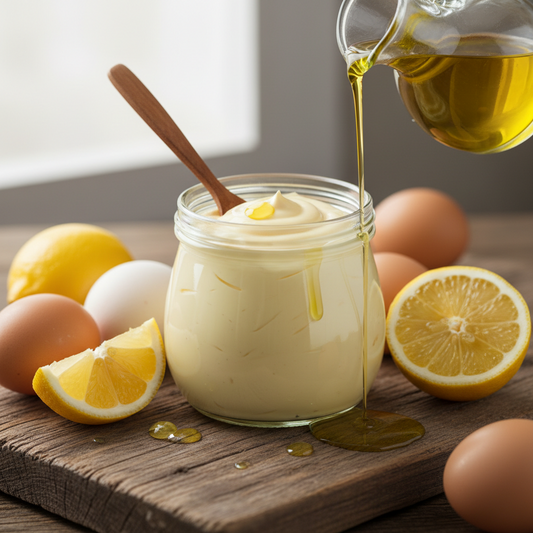
Mayonnaise is one of the world’s most popular condiments—creamy, versatile, and sometimes controversial. Whether spread on sandwiches, mixed into salads, or used as a dip, mayo has found its way into countless cuisines. But beyond its familiar taste, there are plenty of interesting facts and questions people have about it. Let’s explore everything from its origins to its health comparisons and global popularity.
Why does Hellmann’s mayo not have to be refrigerated?
Unopened jars of mayonnaise, including popular brands like Hellmann’s, don’t require refrigeration because they are shelf-stable. This is due to:
· The acidity from vinegar or lemon juice
· Pasteurized eggs
· Sealed packaging that prevents contamination
Once opened, however, refrigeration is recommended to maintain freshness and prevent spoilage. View our full Hellmann’s collection here:
https://quicksupply.ca/collections/mayonnaise
What is the most hated condiment?
While mayonnaise is beloved by many, it also has its critics. In fact, mayo is often ranked among the most hated condiments globally. People who dislike it usually point to its texture, richness, or egg-based flavour as the reason.
Other commonly disliked condiments include mustard, blue cheese dressing, and ketchup (surprisingly). Taste is subjective, but mayonnaise tends to be one of the most polarizing options.
What to put on a sandwich healthier than mayonnaise?
If you’re looking for healthier alternatives to mayonnaise, there are plenty of great options:
· Greek yogurt: creamy, high in protein, and lower in fat
· Mashed avocado: rich in healthy fats and fibre
· Hummus: packed with plant-based protein and nutrients
· Mustard: low in calories and adds bold flavour
· Cottage cheese: a protein-rich spread option
These alternatives can reduce calorie intake while adding nutritional benefits to your sandwich.
Which country eats the most mayonnaise?
When it comes to mayonnaise consumption, Russia often takes the top spot. Russians consume large quantities of mayo every year, especially in traditional dishes like Olivier salad (Russian potato salad) and herring under a fur coat. Mayonnaise is considered a staple in many households, used generously in both everyday meals and festive dishes.
Other heavy consumers include the United States, Japan, and several European countries, but Russia’s per capita consumption remains particularly high.
Which mayonnaise is used in KFC?
KFC typically uses a commercial, food-service-grade mayonnaise that is specially formulated for consistency, shelf life, and flavour. While the exact brand can vary by country and supplier, it’s usually similar to classic American-style mayonnaise—smooth, slightly tangy, and not overly sweet.
In some regions, KFC may use a custom blend or partner with local suppliers to match regional taste preferences.
Which is healthier, Japanese mayo or regular mayo?
Japanese mayonnaise (like Kewpie) differs from regular Western mayonnaise in a few key ways:
· It uses only egg yolks (not whole eggs)
· It often includes rice vinegar instead of distilled vinegar
· It has a slightly sweeter and richer flavour
Nutritionally, Japanese mayo tends to be higher in fat and calories due to the extra egg yolks. Regular mayonnaise may be slightly lighter, depending on the brand. Neither is particularly “healthy,” but both can be enjoyed in moderation.
Is Greek yogurt healthier than mayonnaise?
Yes, Greek yogurt is generally considered a healthier option than mayonnaise. It contains:
· More protein
· Less fat (especially in low-fat versions)
· Probiotics that support gut health
Mayonnaise, on the other hand, is mostly made of oil and eggs, making it calorie-dense with minimal nutritional value. Greek yogurt is a great substitute in dressings, dips, and sandwiches.
What is the fake mayo called?
“Fake” mayonnaise is often referred to as:
· Salad dressing (like Miracle Whip)
· Vegan mayo (made without eggs)
· Light mayo (reduced-fat versions)
These alternatives are designed to mimic the texture and taste of traditional mayo while catering to dietary preferences or health concerns.
Why is Japan obsessed with mayonnaise?
Japan has a unique relationship with mayonnaise. It’s used in a wide variety of dishes, from sushi rolls to pizza and even snacks like chips. The obsession largely comes from the popularity of Japanese-style mayo, which has a richer, umami flavour.
Convenience stores and restaurants frequently incorporate mayonnaise into their offerings, making it a common and beloved ingredient in everyday meals.
What country is mayonnaise from?
Mayonnaise is believed to have originated in France. One popular story traces it back to the city of Mahón in Spain, where French forces reportedly discovered a similar sauce in the 18th century. The name “mayonnaise” is thought to be derived from “Mahón.”
From there, it spread across Europe and eventually the world, evolving into the many variations we see today.