
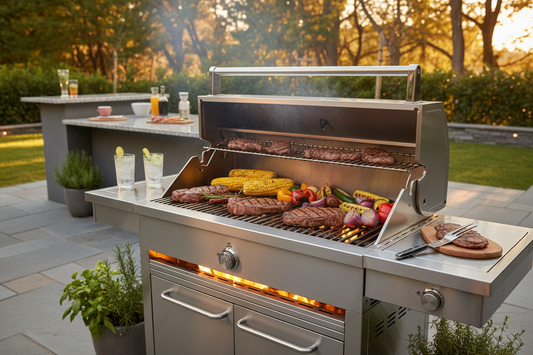
Grilling is one of the simplest ways to turn everyday ingredients into flavorful meals, but a clean, well-maintained grill is essential for good results. Whether you use a gas barbecue for quick weeknight dinners or fire up the grill for a weekend gathering, regular cleaning helps prevent unpleasant flavours, excessive smoke and potentially unsafe cooking conditions.
From choosing the right cleaning tool to dealing with rusty grates, here is what you need to know about keeping your grill in excellent condition.
What Can I Use Instead of a Barbecue Brush?
You have several options if you do not want to use a traditional barbecue brush. A nylon grill brush, wooden grill scraper or specially designed non-metal grill-cleaning tool can remove stuck-on food without metal bristles.
A crumpled ball of aluminium foil held with long-handled tongs can also help loosen residue, although it should be used carefully because it may scratch some surfaces.
For stubborn grease, heat the grill first to soften the residue, then scrape the grates once they are safe to handle. Always follow the manufacturer's recommendations for your particular grate material.
What Is the Best Barbecue Brush Without Metal Bristles?
For a bristle-free option, look for a nylon brush rated for grill cleaning, a wooden scraper or a purpose-built bristle-free grill brush. The best choice depends on the type of cooking grate you have.
A good grill-cleaning tool should have a sturdy handle, durable construction and a head designed to reach between the grate bars. For porcelain-coated grates, avoid aggressive scraping that could damage the coating.
A wooden scraper can be especially useful because it gradually forms grooves that match the shape of your grates.
What's the Average Lifespan of a Gas Grill?
A good-quality gas grill typically lasts 5 to 15 years, although its lifespan depends heavily on how often it is used, the quality of its construction and how well it is maintained.
Regular cleaning, protecting the grill from rain and snow, and replacing worn components can significantly extend its useful life. Burners, ignition systems, cooking grates and heat shields are often the first parts to deteriorate.
A grill that is cleaned after use and covered when it is not needed will generally last much longer than one that is left exposed to the elements.
Why Do Mexicans Use Onions to Clean Grills?
Rubbing an onion over a hot grill is a traditional cleaning technique used in parts of Mexico and elsewhere. A cut onion can loosen small pieces of food and residue while its moisture creates steam against the hot cooking surface.
The onion also contains natural compounds that may help break down some grime. However, it is not a substitute for thorough cleaning when a grill has heavy grease or significant buildup.
Think of an onion as a convenient finishing or maintenance technique rather than a complete deep-cleaning solution.
Why Shouldn't You Clean a Grill With a Wire Brush?
The main concern with wire grill brushes is that bristles can break off and become stuck to cooking grates. If a loose bristle ends up on food and is swallowed, it can potentially cause serious injury.
This is why many grill owners now prefer bristle-free cleaning tools. If you have been using a wire brush, inspect the grates carefully after cleaning and consider switching to a safer alternative.
The risk is particularly concerning when a brush is old, damaged or shedding bristles.
What Are Some Common Mistakes When Cleaning Grates?
One of the most common mistakes is waiting too long between cleanings. Grease and carbon become increasingly difficult to remove when they accumulate.
Other common errors include:
- Using excessive force on delicate or coated grates
- Cleaning without protecting your hands
- Leaving cleaning products on the cooking surface
- Failing to inspect grates for damage
- Ignoring grease buildup beneath the grates
- Using a worn wire brush that sheds bristles
- Cleaning only the visible cooking surface
For the best results, clean light residue regularly and give the entire grill a deeper cleaning periodically.
Do You Brush a Grill When It's Hot or Cold?
For routine cleaning, a grill is often easiest to clean while it is warm, because leftover food and grease are softer. You do not necessarily need the grates to be extremely hot.
If you are using a cleaning tool, follow its instructions regarding temperature. Never handle hot grates directly, and keep your hands and arms protected.
For a deep cleaning that involves removing components, allow the grill to cool completely before taking it apart.
Is It Better to Clean a Grill With a Potato or Onion?
Both potatoes and onions can be used in traditional grill-cleaning methods, but they serve somewhat different purposes.
An onion is generally more useful for loosening light residue on a warm grill because its moisture can create steam. A potato, particularly a cut potato, contains starch and moisture that may help with light grime and can sometimes leave a thin starchy layer on the surface.
Neither method is a replacement for proper cleaning when you have heavy grease or burnt-on buildup. For everyday maintenance, a suitable bristle-free scraper or brush is usually more practical.
Is It Safe to Cook on a Rusty Grill?
A small amount of surface rust does not necessarily mean the entire grill is unusable, but cooking directly on heavily rusted or deteriorating grates is not recommended.
Rust can indicate that the metal is breaking down. Flaking surfaces may contaminate food, while severely damaged grates can become structurally weak.
Light surface rust on suitable metal grates may sometimes be removed through careful cleaning and seasoning. However, if the grate is deeply rusted, pitted or flaking, replacing it is the safer option.
What Do Restaurants Use to Clean Their Grills?
Restaurants typically use a combination of commercial grill scrapers, grill brushes, degreasers and heavy-duty cleaning procedures. Professional kitchens often clean cooking surfaces frequently because grease and food residue can accumulate quickly during busy service.
Many commercial kitchens also use specialized grill-cleaning tools designed for high-temperature surfaces. Cleaning products should always be selected and used according to their labels, and surfaces that come into contact with food should be rinsed or wiped as directed.
Restaurant cleaning practices can be much more intensive than what is necessary for a home barbecue, but the basic principle is the same: remove food residue, control grease and keep cooking surfaces in good condition.
Why Do Chefs Soak Potatoes in Water?
Chefs commonly soak cut potatoes in water to remove excess surface starch. This can help prevent potatoes from sticking together and can contribute to a crispier exterior when they are roasted, fried or grilled.
For grilled potatoes, soaking can also help prepare the surface before cooking. After soaking, potatoes should be dried thoroughly before adding oil and seasoning, particularly if they are going onto a hot grill.
Is It Okay to Grill on Rusted Grates?
If the grates have significant rust, it is better not to grill on them until the problem has been addressed. Clean minor surface rust where appropriate, inspect the grate carefully and replace it if the metal is badly damaged.
Ultimately, grill maintenance is about more than appearance. Clean, intact grates provide better cooking performance and reduce avoidable risks. Regularly remove residue, avoid tools that can shed dangerous bristles, keep grease under control and replace damaged components when necessary.
With a little routine care, your grill can deliver better-tasting food and remain a reliable part of your outdoor cooking setup for many years.