
Dates are naturally sweet fruits that have been enjoyed for centuries as a snack and cooking ingredient. They are rich in carbohydrates, fibre, potassium and several other nutrients, making them a convenient source of energy. However, because dates are dried fruits, their natural sugars and calories are concentrated.
So, how many dates should you eat each day? Can eating too many cause digestive problems? And which varieties are best? Here is what you need to know.
Dates are the fruit of the date palm and are commonly eaten dried or semi-dried. They come in many varieties, including Medjool, Deglet Noor, Ajwa and Sukkari. Their flavour, texture and sweetness can vary considerably.
Dates provide natural sugars along with fibre and small amounts of minerals and other nutrients. They can be a useful alternative to sweets when you want something naturally sweet, but portion size still matters.
What are the best dates to eat?
The “best” dates depend on what you like and how you plan to use them.
- Medjool: Large, soft, juicy and especially sweet. Excellent as a snack or in desserts.
- Ajwa: Small, dark and soft, with a distinctive flavour.
- Sukkari: Very sweet and soft, making them popular for eating on their own.
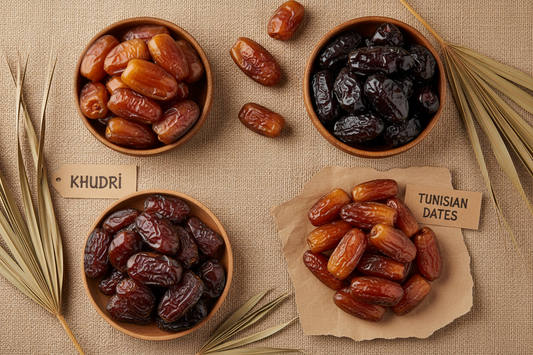
- Khudri: Medium-sized, firm and chewy, with a rich caramel-like sweetness. Great for everyday snacking.
- Mazafati: Dark, soft and juicy, with a naturally rich and sweet flavour.
- Tunisian: Sweet and tender, with a pleasant texture and flavour, making them suitable for snacking and desserts.
If you want a versatile everyday date, Deglet Noor is a convenient choice because of its smaller size. If you prefer a soft, rich and naturally sweet snack, Medjool dates are an excellent option.
Can I eat 20 dates a day?
You can eat 20 dates a day, but for most people, that is a fairly large portion. The nutritional impact depends heavily on the size and variety of the dates.
Twenty small dates contain considerably less energy than 20 large Medjool dates. Large dates can provide a substantial amount of sugar and calories when eaten in that quantity.
For everyday eating, a smaller serving is generally more practical. If you enjoy dates frequently, consider pairing a few with nuts, plain yoghurt or another source of protein and fat. This can make a snack more filling and may help you avoid eating a large amount at once.
Is 2 dates a lot of sugar?
Two dates contain natural sugar, but whether that is “a lot” depends on the variety and size. Two large Medjool dates can contain roughly 30–35 grams of sugar, while two smaller dates may contain considerably less.
The sugar in dates occurs naturally within the fruit rather than being added during processing. Dates also contain fibre, which is one reason they are nutritionally different from foods made primarily with added sugar.
If you are watching your carbohydrate or sugar intake, pay attention to portion size and consider the total amount you eat throughout the day.
Is eating 7 dates a day good?
For many healthy adults, seven dates can fit comfortably into a balanced diet, particularly when the dates are small. However, seven large Medjool dates are a much more substantial serving.
Dates can contribute fibre and minerals to your diet, but they should complement—not replace—a varied intake of vegetables, fruit, whole grains, protein and healthy fats.
If seven dates leave you feeling overly full or cause digestive discomfort, reducing your portion may be more suitable.
Can you drink water after eating dates?
Yes. There is no general reason to avoid drinking water after eating dates. Having water with or after dates can actually help you stay hydrated, particularly if you are eating several dates as a snack.
Some people may notice temporary bloating or digestive discomfort after consuming a large amount of dried fruit. If this happens, try eating fewer dates and drinking fluids throughout the day rather than consuming a large serving at once.
How long should dates last?
The shelf life of dates depends on their variety, moisture content, packaging and storage conditions. Commercially packaged dates usually have a best-before date on the package, which is the easiest guide to follow.
Properly stored dates can often remain good for weeks or months, especially when refrigerated. Over time, they may become drier or develop sugar crystals on the surface. Sugar crystallisation does not necessarily mean the fruit has spoiled.
Throw dates away if they develop mould, an unusual fermented or rotten smell, significant discolouration or other obvious signs of spoilage.
How many dates can I eat a day?
There is no single number that suits everyone. A reasonable everyday portion for many people is around 2 to 4 dates, although smaller dates can be eaten in larger numbers.
Your ideal amount depends on the date variety, your overall diet, activity level and individual nutritional needs. If you are eating dates instead of other sweets, they can be a nutritious way to satisfy a sweet craving.
Remember that dried fruit is concentrated: it is easy to eat several dates quickly without realizing how much energy and sugar you have consumed.
Are dates a laxative?
Dates are not generally considered a laxative in the same way as certain medicines, but their fibre content can support regular bowel movements.
Eating a large quantity may have a stronger digestive effect, particularly if you are not accustomed to eating much fibre. Some people may experience gas, bloating or loose stools after consuming a lot of dates.
If constipation is a concern, gradually increasing fibre, drinking enough fluids and staying physically active can all support healthy digestion.
Do dates need to be refrigerated?
Dates do not always need to be refrigerated, especially if they are unopened and stored according to the package instructions. However, refrigeration can help extend their quality and shelf life.
Once opened, keeping dates in an airtight container in the refrigerator is a good option, particularly in warm or humid conditions. Before eating refrigerated dates, you can allow them to sit at room temperature if you prefer a softer texture.
Always follow the storage instructions provided on the packaging.
Do dates help hair growth?
Dates contain nutrients such as iron, copper, potassium and other micronutrients, but there is no strong evidence that eating dates directly causes faster hair growth.
Healthy hair growth depends on many factors, including genetics, hormones, overall nutrition and general health. A balanced diet that provides adequate protein, iron, zinc and other essential nutrients is more important than relying on a single food.
If you have persistent hair loss or noticeable changes in hair growth, it is better to discuss the issue with a healthcare professional rather than assuming that adding dates will solve it.