
Soup is one of the most comforting, versatile, and widely enjoyed meals in the world — from hearty stews on cold Canadian winters to light broths enjoyed year-round. But not all bowls are created equal. The type of bowl you use can affect heat retention, portion size, safety, and even how enjoyable your soup is.
In this guide, we’ll explore soup bowls from every angle — materials, sizes, storage, health, and cultural traditions — so you can choose and use the right bowl with confidence.
Are paper soup bowls good for soup?
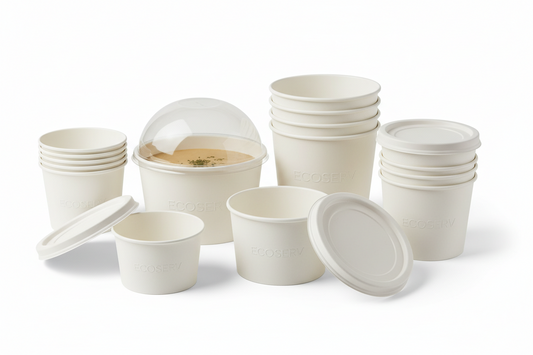
Paper soup bowls are widely used for takeaway, food trucks, cafeterias, and catered events. They’re designed to handle hot liquids while remaining lightweight and convenient. Buy these eco-friendly soup bowls from here:
https://quicksupply.ca/collections/soup-bowl
Advantages:
· Lightweight and easy to carry
· Designed for single-use convenience
· Often lined to prevent leaks
· Available in compostable or recyclable options
· Good short-term heat insulation
Disadvantages:
· Not suitable for long-term storage
· Can soften if held for extended periods
· Not always microwave-safe
· Some varieties contain plastic lining (not fully compostable)
Are foam bowls good for soup?
Foam (polystyrene) bowls are commonly used for takeout, but they come with drawbacks.
Advantages:
· Lightweight
· Good short-term insulation
· Inexpensive
Disadvantages:
· Not environmentally friendly
· Can soften or leak with very hot soup
· Not microwave-safe
Foam bowls are acceptable for short-term use, but not ideal for sustainability or reheating.
Are plastic bowls ok for soup?
Plastic bowls can be used for soup, but there are important considerations.
Pros:
· Lightweight and affordable
· Shatter-resistant
· Convenient for kids and outdoor use
Cons:
· May warp with very hot soup
· Some plastics can leach chemicals if not heat-safe
· Poor heat retention
Always ensure plastic bowls are BPA-free, microwave-safe, and rated for hot foods.
Can I eat soup out of a wooden bowl?
Yes, wooden bowls can be used for soup, especially in traditional or rustic settings.
Benefits:
· Natural insulation keeps soup warm
· Lightweight and comfortable to hold
· Common in Japanese cuisine
Limitations:
· Not dishwasher-safe
· Can absorb liquid and odours
· Not ideal for long soaking
Properly sealed wooden bowls are best for short servings of soup rather than storage.
What is the difference between a soup bowl and a regular bowl?
A soup bowl is specifically designed to hold liquids comfortably, while a regular bowl is often meant for solid foods like cereal, salads, or rice.
Key differences include:
· Depth: Soup bowls are deeper to prevent spills
· Rim shape: Many soup bowls have wider rims to make sipping easier
· Capacity: Soup bowls typically hold more liquid
· Heat retention: Soup bowls are often thicker to keep soup warm longer
Regular bowls may work in a pinch, but they’re more likely to cool quickly or spill when filled with hot liquid.
What bowl is best for soup?
The best bowl for soup depends on the type of soup and how it’s served, but the most popular options include:
· Ceramic or porcelain bowls – Excellent heat retention and ideal for hot soups
· Stoneware bowls – Durable, heavy, and perfect for hearty soups and stews
· Insulated or double-walled bowls – Great for keeping soup hot longer
· Handled soup bowls or crocks – Ideal for brothy soups
For home use, ceramic or stoneware soup bowls are the top choice due to their balance of safety, durability, and comfort.
What is another name for a soup bowl?
Depending on region and design, a soup bowl may also be called:
· Soup plate
· Soup crock
· Soup tureen (larger serving vessel)
· Bouillon bowl
· Ramen bowl
In restaurants, wide-rimmed soup bowls are often referred to as soup plates, especially in fine dining.
How much soup fits in one bowl?
A standard soup bowl typically holds:
· 350–500 mL (12–17 oz) for everyday bowls
· 500–700 mL (17–24 oz) for large or restaurant-style bowls
Brothy soups usually use smaller bowls, while chunky soups and stews are often served in larger ones.
What soups should not be frozen?
While many soups freeze well, some don’t maintain their texture or quality.
Avoid freezing soups with:
· Cream or milk bases (they may separate)
· Pasta or rice (becomes mushy)
· Potatoes (grainy texture after thawing)
· Egg-based soups
If freezing, it’s best to freeze the base and add sensitive ingredients after reheating.
How do the Japanese eat soup?
In Japan, soup is a daily staple and is eaten differently than in Western cultures.
· Soup is often sipped directly from the bowl
· Chopsticks are used for solid ingredients
· The bowl is lifted toward the mouth
· Slurping is acceptable and even polite
Miso soup is commonly served in small lacquered or wooden bowls, emphasizing simplicity and warmth.
Is soup healthy to eat?
Yes — soup can be very healthy, depending on the ingredients.
Health benefits include:
· Hydration
· Easy digestion
· High vegetable intake
· Portion control
· Comfort and satiety
Soups made with whole foods, lean proteins, and minimal sodium are especially beneficial. Creamy or highly processed soups should be enjoyed in moderation.
What is a normal size soup bowl?
In Canada, a normal soup bowl size is usually:
· 400–500 mL (14–17 oz) for home use
· 500–650 mL (17–22 oz) in restaurants
This size allows enough room for soup without overfilling or spilling.
Can I eat soup in a plastic bowl?
Yes, you can eat soup in a plastic bowl if it is heat-safe.
Look for:
· BPA-free materials
· Labels indicating suitability for hot food
· Microwave-safe markings
Avoid using thin, disposable plastic bowls for very hot or oily soups.
Can I store soup in Tupperware?
Yes, Tupperware and similar airtight containers are excellent for storing soup.
Tips for safe storage:
· Let soup cool before sealing
· Use freezer-safe containers if freezing
· Leave space for expansion
· Label with date
Glass or BPA-free plastic containers work best for both refrigeration and freezing.
Can I eat 10-year-old canned soup?
No — eating 10-year-old canned soup is not recommended, even if the can appears intact.
Risks include:
· Loss of nutritional value
· Spoilage and bacterial growth
· Risk of botulism
Canned soups typically last 2–5 years when stored properly. Always check expiry dates and discard cans that are bulging, leaking, or rusted.