
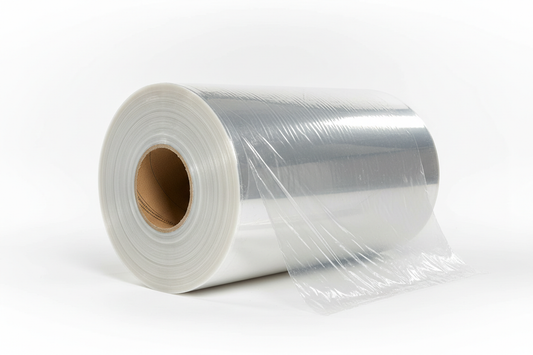
Shrink wrap is one of the most versatile packaging materials used across industries —from food service and retail to shipping, storage, and moving. Despite its widespread use, many people still have questions about how it works, what it can (and can’t) replace, and whether everyday household items like cling wrap or a hair dryer can do the job.
This comprehensive guide answers the most frequently asked questions about shrink wrap in a clear, practical way, helping you choose the right solution for your needs.
Can you overlap shrink wrap?
Yes, you can overlap shrink wrap, and in many cases, it’s recommended. Overlapping provides added strength, stability, and protection—especially when wrapping pallets, irregularly shaped items, or products that need extra reinforcement during transport.
However, excessive overlapping can:
· Waste material
· Increase costs
· Make unwrapping more difficult
Best practice: Overlap just enough to secure the load firmly without creating unnecessary bulk. For pallet wrapping, a 50% overlap per layer is commonly used in warehouses.
Here are some of the best shrink wraps that you can use:
· Dynasco Shrink Wrap 12.5"x 64g x 400 M
· Shrink Wrap Tinted 14" x 80g x 1500 ft.
Does shrink wrap go bad?
Yes, shrink wrap can go bad over time. While it doesn’t “expire” like food, improper storage can reduce its effectiveness.
Signs shrink wrap has gone bad:
· Becomes brittle or cracks
· Loses clarity
· Shrinks unevenly
· Tears easily
To extend shelf life:
· Store in a cool, dry place
· Avoid direct sunlight
· Keep away from extreme cold
Properly stored shrink wrap can last 1–2 years or longer.
Businesses that rely on high-quality machine shrink wrap are far less likely to experience common wrapping issues. Products such as the following are designed to deliver consistent performance and reliable load protection:
· Rhino Machine Wrap 20" x 75g x 6000'
· Machine Wrap 20" x 70g x 4000'
· Machine Wrap 20" x 80g x 5000
Can shrink wrap be reused?
Shrink wrap is generally designed for single use, especially when heat-shrunk. Once it shrinks, it loses elasticity and structural integrity.
That said, reuse is possible in limited situations:
· Non-heat-shrunk wrap used for light bundling
· Large sheets carefully removed without tearing
· Temporary indoor storage
For sustainability-conscious businesses, consider:
· Using thicker, higher-quality shrink wrap
· Exploring recyclable or biodegradable shrink films
· Switching to reusable stretch wrap alternatives when possible
Is a hair dryer hot enough for heat shrink?
A hair dryer is usually not hot enough for proper heat shrink. Most shrink wrap requires temperatures between 160°C and 200°C, while hair dryers typically max out around 60–100°C.
You might see slight tightening with very thin shrink film, but:
· The shrink will be uneven
· The seal won’t be secure
· The result won’t be professional
Hair dryers are better suited for crafts or light-duty packaging, not commercial or food-grade shrink wrapping.
Do I need a heat gun for shrink wrap?
For best results, yes, you do need a heat gun for shrink wrap. Heat guns provide:
· Consistent, high temperatures
· Even shrinking
· Faster application
· Stronger, tighter seals
In commercial settings—such as restaurants, warehouses, and retail stores—heat guns are the industry standard. They are especially important for:
· Pallet shrink wrap
· Food packaging
· Outdoor weather protection
Can I use cling wrap as a shrink wrap?
No, cling wrap cannot replace shrink wrap. While they may look similar, they serve different purposes.
Cling wrap:
· Sticks using static or light adhesive
· Does not shrink with heat
· Best for food covering
Shrink wrap:
· Shrinks tightly when heated
· Provides structural support
· Designed for packaging and transport
Using cling wrap as shrink wrap can result in loose packaging, poor protection, and potential product damage.
What can I use instead of heat shrink wrap?
If heat shrink wrap isn’t suitable for your application, there are several alternatives available:
· Stretch wrap: No heat required, ideal for pallet wrapping
· Bubble wrap: Cushioning for fragile items
· Corrugated boxes: Strong and reusable
· Reusable pallet covers: Eco-friendly and durable
· Vacuum seal bags: Great for food storage
Each alternative serves a specific purpose, so the best option depends on whether you need protection, stability, insulation, or visibility.
Can I use cling film to shrink wrap?
No, cling film does not shrink with heat and should not be used as a substitute for shrink wrap.
Even if heat is applied:
· It may melt or warp
· It won’t tighten uniformly
· It can become unsafe, especially around food
For any application requiring tension, protection, or durability, cling film simply isn’t suitable.
What can I use instead of a heat gun for shrink wrap?
If a heat gun isn’t available, there are a few alternatives—though results may vary:
· Industrial heat tunnel: Best for high-volume operations
· Propane shrink torch: Used for large outdoor wraps (boats, construction)
· High-temperature embossing tool: Small craft applications only
Household items like hair dryers or space heaters are not recommended due to inconsistent heat and safety risks.
Are cling wrap and shrink wrap the same?
No, cling wrap and shrink wrap are not the same, despite common confusion.
|
Feature |
Cling Wrap (Cling Film) |
Shrink Wrap |
|
Shrinks with heat |
❌ No |
✅ Yes |
|
Strength & durability |
❌ Low |
✅ High |
|
Primary use |
Food covering & freshness |
Packaging & load securing |
|
Food-safe |
✅ Yes |
⚠️ Depends on material |
|
Protection during transport |
❌ No |
✅ Yes |
|
Resistance to movement & damage |
❌ Minimal |
✅ Excellent |