
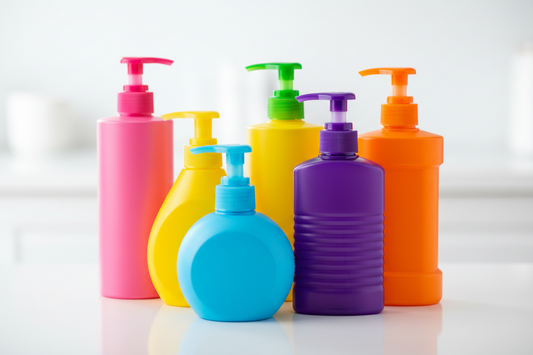
Hand soap is one of the most important everyday products in any home. The right soap helps remove dirt, bacteria, and viruses while keeping your skin soft and healthy. However, not all soaps are created equal. Some are too harsh, some contain irritating fragrances, and others may strip away natural oils from the skin.
Choosing the best hand soap depends on your skin type, health needs, and personal preferences. Whether you are looking for a gentle soap for sensitive skin, a moisturizing option for dry hands, or a natural formula free from chemicals, understanding the basics can help you make a smarter choice.
What is the best hand soap for chemo patients?
Chemotherapy often makes the skin extremely sensitive, dry, and prone to irritation. For chemo patients, the best hand soaps are mild, fragrance-free, moisturizing, and free from harsh antibacterial chemicals.
Look for soaps that contain:
· Glycerin
· Aloe vera (example here)
· Shea butter
· Ceramides
· Oatmeal
Avoid products with:
· Strong perfumes
· Alcohol
· Sulphates such as SLS
· Harsh antibacterial agents
Many healthcare professionals recommend gentle cleansers rather than heavily perfumed soaps. Cream-based hand washes and moisturizing bars are often the safest options because they clean without damaging the skin barrier.
Patients undergoing chemotherapy should also apply hand cream after washing to reduce cracking and discomfort.
Which soap has the highest pH value?
Traditional bar soaps tend to have the highest pH values. Some laundry soaps and strong antibacterial soaps can reach a pH of 10 or higher.
If you’re a normal person without any skin issues you can use anti-bacterial liquid soaps like these as obviously, they help getting rid of bacteria from the skin which is essential.
Highly alkaline soaps may remove oils effectively, but they can also damage the skin barrier and cause dryness, irritation, or itching.
Examples of high-pH soaps often include:
· Heavy-duty cleaning soaps
· Traditional lye soaps
· Some deodorant soaps
For regular handwashing, most dermatologists recommend staying away from very alkaline products, especially if you have dry or sensitive skin.
What hand soap do dermatologists recommend?
Dermatologists usually recommend gentle, pH-balanced soaps designed for sensitive skin. The main goal is to clean effectively without stripping away natural oils.
Popular dermatologist-recommended ingredients include:
· Ceramides
· Glycerin
· Hyaluronic acid
· Colloidal oatmeal
Dermatologists often suggest avoiding highly fragranced soaps because fragrance is a common cause of irritation and allergic reactions.
For people with eczema, psoriasis, or sensitive skin, non-soap cleansers may work even better than traditional soap. These products are designed to maintain the skin’s moisture barrier while still removing bacteria and dirt.
Liquid hand soaps labelled “gentle,” “sensitive skin,” or “dermatologist tested” are usually safer choices for everyday use.
Is Dove bar soap acidic?
Dove beauty bars are generally considered mildly acidic to neutral compared with traditional soaps, which are usually alkaline. Human skin naturally has a slightly acidic surface known as the acid mantle, with a pH around 4.5 to 5.5.
Traditional soap often has a pH between 9 and 10, which can dry out skin. Dove beauty bars are formulated with moisturizers and synthetic cleansing agents that make them gentler than regular soap bars.
Because of this balanced formulation, Dove is commonly recommended for dry and sensitive skin.
Is Dove soap good for diabetics?
People with diabetes often experience dry skin and slower wound healing. Gentle soaps are especially important because cracked skin can increase the risk of infection.
Dove products are often considered a good option for diabetics because they are moisturizing and less harsh than standard soaps. However, fragrance-free versions may be the better choice for people with very sensitive skin.
Diabetics should also:
· Avoid extremely hot water
· Pat hands dry gently
· Use moisturizer after washing
· Check skin regularly for cuts or cracks
A mild soap combined with proper skincare habits can help protect sensitive diabetic skin.
Is Ivory soap still 99.9% pure?
Ivory soap has long been marketed as “99.44% pure.” This slogan refers to the absence of heavy perfumes and unnecessary ingredients rather than scientific purity.
The formula has changed slightly over the years, but Ivory soap is still known for being simple, mild, and free from heavy additives. Many people with sensitive skin continue to use it because it contains relatively few ingredients compared with heavily fragranced soaps.
However, like many traditional soaps, it can still be somewhat drying for people with very sensitive skin.
What hand soap won't dry out skin?
The best hand soaps for dry skin contain moisturizing ingredients and avoid harsh detergents. A soap that cleans gently while protecting natural oils is ideal.
Look for:
· Cream-based cleansers
· Oil-infused hand soaps
· Fragrance-free formulas
· pH-balanced products
Helpful ingredients include:
· Shea butter
· Coconut oil
· Glycerin
· Aloe vera
· Ceramides
Avoid excessive washing with very hot water, as heat can make dryness worse. Moisturizing immediately after washing is one of the best ways to keep hands soft.
What soap do nurses use?
Nurses wash their hands many times per shift, so they often prefer soaps that clean effectively without causing irritation.
Healthcare workers commonly choose:
· Fragrance-free hand soaps
· Antimicrobial cleansers approved for medical settings
· Moisturizing hand washes
· Sensitive-skin formulas
Because frequent handwashing can cause dermatitis, many nurses also use barrier creams and fragrance-free moisturizers throughout the day.
In hospitals, soaps are selected for both hygiene performance and skin safety.
Which soap is 100% natural?
A truly natural soap is usually made with plant-based oils and minimal synthetic ingredients. Common ingredients in natural soaps include:
· Olive oil
· Coconut oil
· Shea butter
· Essential oils
· Goat milk
· Oatmeal
However, the term “natural” is not strictly regulated in many countries, so it is important to read ingredient labels carefully.
Some natural soaps still contain fragrance or essential oils that may irritate sensitive skin. If you have allergies or eczema, choose unscented natural products whenever possible.
How to choose a good hand soap?
Choosing the right hand soap depends on your skin type and personal needs.
Here are a few helpful tips:
For dry skin
Choose moisturizing or cream-based soaps with glycerin or shea butter.
For sensitive skin
Use fragrance-free and dye-free products.
For oily skin
A gentle foaming cleanser may help remove excess oil without over-drying.
For children
Pick mild soaps with simple ingredient lists.
For healthcare settings
Use antibacterial or antimicrobial cleansers recommended by medical professionals.
You should also consider:
· pH balance
· Fragrance level
· Moisturizing ingredients
· Skin sensitivities
· Environmental impact
What is the best hand soap to use?
The best hand soap is one that effectively removes germs while keeping your skin healthy. In general, gentle and moisturizing soaps are the best choice for daily use.
A good hand soap should:
· Clean thoroughly
· Rinse easily
· Avoid irritation
· Maintain moisture
· Support the skin barrier
For most people, fragrance-free liquid hand soaps or moisturizing beauty bars provide an excellent balance of cleanliness and comfort.
Is soap acidic or alkaline?
Most traditional soaps are alkaline. During the soap-making process, fats react with an alkaline substance such as lye, producing soap with a higher pH.
Human skin is naturally slightly acidic, which helps protect against bacteria and irritation. Because of this, highly alkaline soaps can sometimes disrupt the skin barrier and cause dryness.
Modern cleansers and beauty bars are often formulated closer to the skin’s natural pH to reduce irritation.