
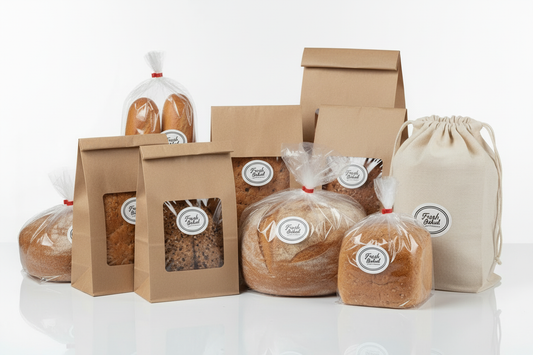
Bakery bags play a much bigger role than most people realize. From keeping bread crusty to maintaining cake moisture, the type of bag used can affect freshness, hygiene, and even flavour. In this guide, we’ll explore why bakeries choose certain bags, answer common baking questions, and clear up myths around storage, moisture, and sanitation — all in a practical, easy-to-read way.
Why do bakeries use paper bags?
Bakeries use paper bags primarily because they allow airflow. Fresh bread releases steam after baking, and paper bags let that moisture escape, helping preserve a crisp crust. Unlike plastic, paper reduces condensation, which can otherwise lead to sogginess or mould.
Paper bags are also:
· Cost-effective
· Easy to brand and print on
· Recyclable and more eco-friendly
· Suitable for short-term storage and same-day consumption
This is why you’ll often see crusty loaves, baguettes, and rolls packaged in paper rather than plastic.
Some of the best options are:
· Atlas printed paper bags 9x6x16
· Atlas printed kraft bread Bag 7x4x16
· Atlas vienna bread bags 4½x2x19
What do bakers put in bread to make it last longer?
Commercial bakeries may use:
· Enzymes
· Dough conditioners
· Natural preservatives like vinegar or ascorbic acid
Artisan bakers rely more on proper fermentation, hydration, and storage methods rather than additives.
What's the point of a bread bag?
A bread bag controls how moisture and air interact with bread. The goal is to:
· Keep the inside soft
· Prevent the crust from going stale too fast
· Reduce mould growth
Different materials achieve different results depending on the type of bread.
Why do bread bags have holes in them?
The holes allow excess moisture to escape. Without ventilation, steam trapped inside the bag can encourage mould growth. Perforated bread bags are especially common for fresh-baked loaves that haven’t fully cooled.
How to prevent moisture in a bread bag?
To reduce moisture buildup:
· Let bread cool completely before bagging
· Use paper or perforated bags
· Avoid warm storage areas
· Don’t refrigerate bread
Moisture control is key to freshness.
Does bread last longer in a bread bag?
Yes — bread can last longer in a bread bag, but the material of the bag makes a big difference.
Paper bread bags are ideal for short-term storage. They allow moisture to escape, which helps prevent mold and keeps crusty breads from becoming soggy. However, because they let air circulate freely, bread may dry out faster after a day or two.
Cloth bread bags (cotton or linen) offer a better balance for longer storage. They allow enough airflow to reduce moisture buildup (which causes mold) while slowing down staling. This makes them one of the best options for keeping bread fresh for several days at room temperature.
Plastic bags, while common, trap moisture. This can keep bread soft initially but often leads to faster mold growth, especially in warm or humid conditions.
Does bread mold faster in a plastic bag?
Yes — bread usually molds faster in a plastic bag.
Plastic bags trap moisture released by the bread. This warm, humid environment is ideal for mold growth, especially at room temperature. While plastic prevents bread from drying out and keeps it soft, it also removes airflow, which allows mold spores to grow and spread more quickly.
In contrast, breathable materials like paper or cloth allow excess moisture to escape. This reduces the risk of mold but may cause bread to firm up sooner. That’s why crusty or artisan breads often last longer mold-free in paper or cloth, even if they become slightly drier.
What is the best fabric for a bread bag?
The best fabrics include:
· Cotton
· Linen
· Canvas
These materials are breathable, reusable, and help regulate moisture naturally.
Will bread stay fresh in a paper bag?
Bread stays fresh in a paper bag for 1–2 days, especially crusty varieties. It won’t stay soft as long as in plastic, but it will taste better and resist mould. Paper also prevents condensation buildup that can quickly spoil fresh, preservative-free loaves.
For best results, keep the paper bag at room temperature and away from direct heat or sunlight. This storage method works particularly well for artisan, sourdough, and bakery-fresh breads that need airflow to preserve crust texture and natural flavour.
Do paper bags keep food fresh?
Paper bags keep food fresh short-term, especially baked goods. They’re excellent for items that need airflow but not ideal for long-term storage. Foods with high moisture content may dry out faster without additional wrapping or protection.
To improve freshness, paper bags can be combined with parchment paper or placed inside a bread box. This helps balance airflow and moisture while still preventing condensation that can lead to sogginess or spoilage.
Are paper bags sanitary?
Yes, when used properly. Food-grade paper bags are manufactured to meet safety standards. They’re commonly used in bakeries, grocery stores, and food service across Canada, and are safe for direct food contact when kept clean and dry.
Sanitation depends on correct handling and storage. Paper bags should be single-use for food service and discarded if they become damp, torn, or contaminated, ensuring a hygienic and reliable packaging option.